Military aviation modernisation is the process of improving an air force’s ability to operate, survive, generate sorties and support joint missions. It is not simply a programme to buy new fighter aircraft. A modern air arm requires combat aircraft, helicopters, transport fleets, airborne surveillance, aerial refuelling, unmanned systems, weapons, engines, sensors, communications, training, maintenance and resilient bases. The balance between these elements determines whether aircraft can be used effectively in real operations.
Combat aircraft and air dominance
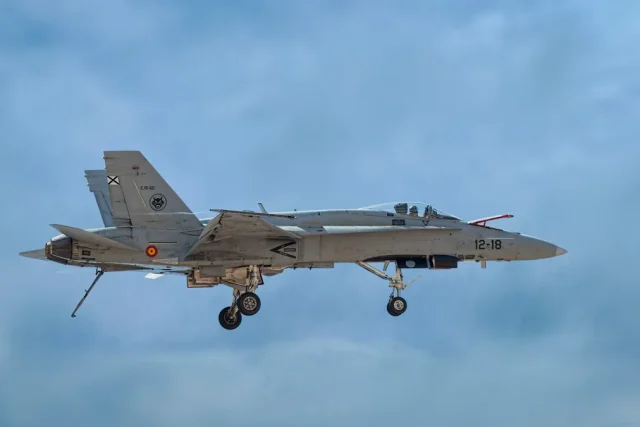
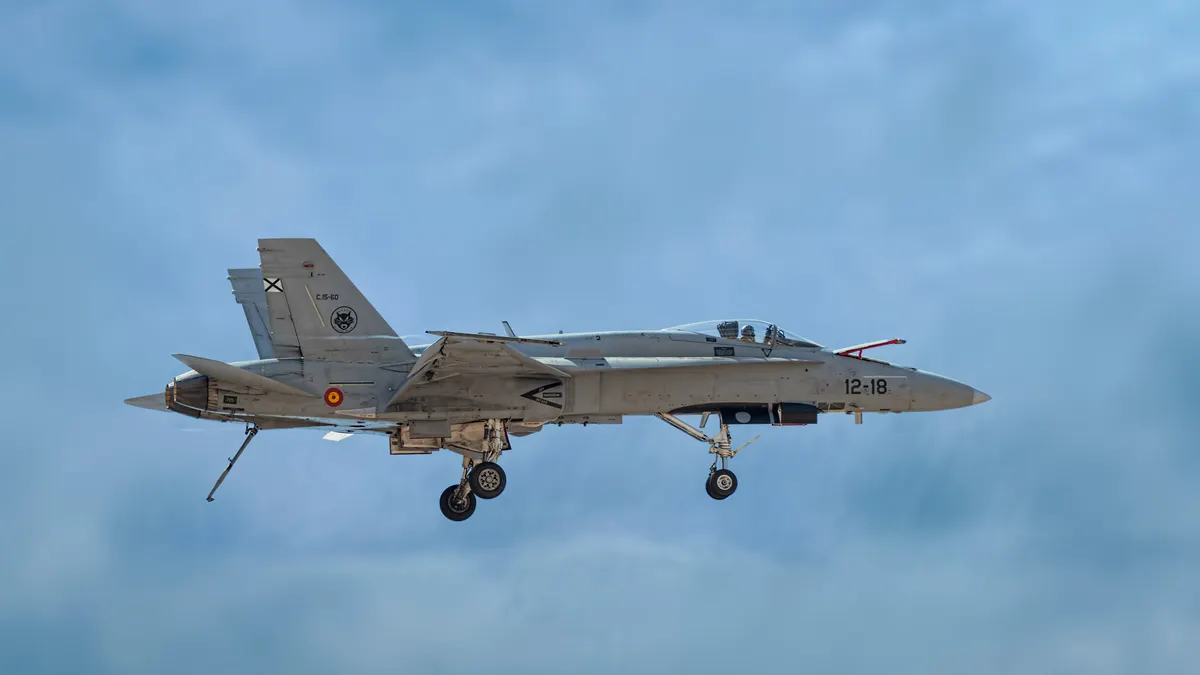
Fighter modernisation includes replacing ageing aircraft, upgrading avionics, improving radar and electronic warfare, integrating new weapons and extending the service life of existing fleets. Different fighters are designed for different roles: air defence, air superiority, strike, maritime operations or multirole missions. Fifth-generation features such as low observability, sensor fusion and advanced networking can change how aircraft operate, but they also increase cost, maintenance complexity and software dependence.
Helicopters and tactical mobility
Helicopters provide lift, search and rescue, casualty evacuation, logistics, special operations support, anti-submarine warfare and attack capability. Modernisation can involve new airframes, engines, mission computers, sensors, defensive aids and weapons. Naval helicopters have additional requirements for deck operations, corrosion protection, folding systems and maritime sensors. Utility helicopter fleets are particularly important because they support routine transport and emergency missions across difficult terrain.
Airborne early warning and control
Airborne early warning and control aircraft extend radar surveillance and provide a command-and-control node in the air. They help detect and track aircraft and other threats, coordinate friendly operations and improve situational awareness. They are force multipliers rather than substitutes for fighter aircraft or ground-based radars. India’s Netra AEW&C system received Final Operational Clearance in June 2026, while work on a larger AEW&C Mk II programme is progressing through aircraft conversion and mission-system contracts.
See our dedicated AWACS and AEW&C guide for the technology and operational role.
Transport, refuelling and logistics
Transport aircraft move troops, equipment, supplies and humanitarian assistance. Heavy and medium transport fleets allow forces to deploy across long distances, while tactical transports support operations from smaller airfields. Aerial refuelling extends the range and endurance of compatible aircraft. Without transport and tanker support, combat aircraft may have less flexibility and a smaller effective operating radius.
Unmanned systems and intelligence
Unmanned aerial systems support surveillance, target acquisition, communications relay, logistics and selected strike missions. Their value depends on endurance, payload, data links, autonomy, airspace integration and resilience against electronic warfare. A modern air force must integrate unmanned aircraft with crewed platforms and ground command networks rather than treat them as a separate technology category.
Engines, sensors and weapons
Aircraft performance depends on engines, radar, electro-optical systems, electronic warfare, navigation, communications and weapon integration. Engine development is especially challenging because it requires advanced materials, thermal management, precision manufacturing and long testing cycles. Modern weapons also require secure software, mission planning, targeting data and certification. An airframe upgrade that does not address these supporting systems may deliver limited operational benefit.
Maintenance, repair and overhaul
Fleet availability depends on maintenance infrastructure, spare parts, repair capacity, technical documentation and skilled personnel. Modern aircraft can require specialised diagnostics and software support. A force that acquires advanced platforms without funding lifecycle support may struggle to generate enough operational aircraft. Modernisation therefore includes depots, repair facilities, simulators, training pipelines and supply-chain resilience.
Network integration and joint operations
Air operations increasingly depend on sharing data between aircraft, ground radars, ships, command centres and space-based systems. Secure data links and common procedures help create a shared operational picture. However, network dependence introduces vulnerabilities to jamming, cyber attack and communications disruption. Redundancy, cyber protection and trained crews are essential.
India’s modernisation priorities
India’s air power requirements include fighter fleet renewal, airborne early warning, aerial refuelling, transport, helicopters, unmanned systems, indigenous weapons and better maintenance capacity. The country must also balance procurement with domestic research, production and technology absorption. Major acquisition approvals are not the same as signed contracts or delivered aircraft, so reporting should distinguish approval, contract, production, delivery and operational clearance.
Recent developments include the F-35 electronic-warfare upgrade programme and India’s MH-60R naval helicopter deliveries.
How to judge modernisation
Useful measures include aircraft availability, sortie generation, training hours, mission-system reliability, weapon integration, sensor coverage, maintenance turnaround, supply-chain resilience and the ability to operate jointly. Platform numbers alone do not reveal readiness. A modern air force is a system of people, aircraft, sensors, bases, software, logistics and doctrine.