The Indian Armed Forces comprise three services: the Indian Army, Indian Navy and Indian Air Force. Together, they are responsible for defending the country, protecting its territorial integrity and supporting national security objectives. Their roles differ by domain, but modern operations increasingly require joint planning, shared information, integrated logistics and coordinated command arrangements. The services operate within the constitutional framework of the Republic of India and under the political authority of the elected government.
The constitutional and civilian framework
The President of India is the Supreme Commander of the Armed Forces under the constitutional framework. The Union government exercises political direction through the Ministry of Defence, which is responsible for defence policy, administration, budgeting and major decisions. Civilian control is a central feature of India’s defence system: military leaders provide professional advice and command their respective services, while national policy and resource decisions are made through the government’s institutions.
Indian Army
The Indian Army is responsible primarily for land warfare, territorial defence, border security in its assigned roles and operations that support national security. Its capabilities include infantry, armoured forces, artillery, engineers, air defence, signals, aviation, logistics, medical services and specialised formations. The Army also conducts training, disaster relief and selected assistance missions. Its organisation includes commands, corps, divisions, brigades and battalions, with structures adapted to operational requirements.
Indian Navy
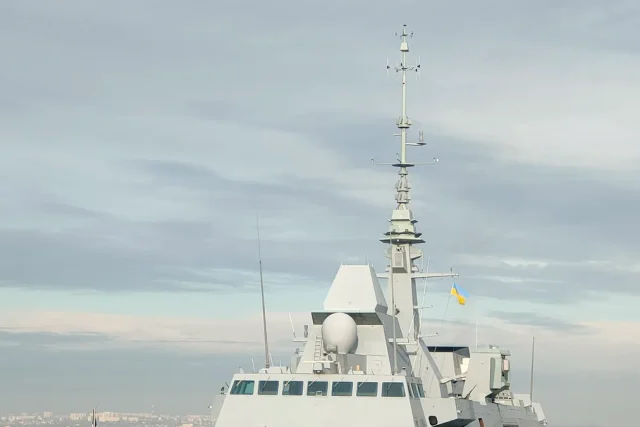
The Indian Navy protects maritime interests, contributes to deterrence, safeguards sea lines of communication and supports operations across the Indian Ocean Region. Its capabilities include aircraft carriers, destroyers, frigates, corvettes, submarines, naval aviation, maritime patrol aircraft, helicopters, amphibious forces, hydrography and logistics. Naval operations can include sea control, maritime security, anti-submarine warfare, air defence, humanitarian assistance and disaster relief.
Indian Air Force
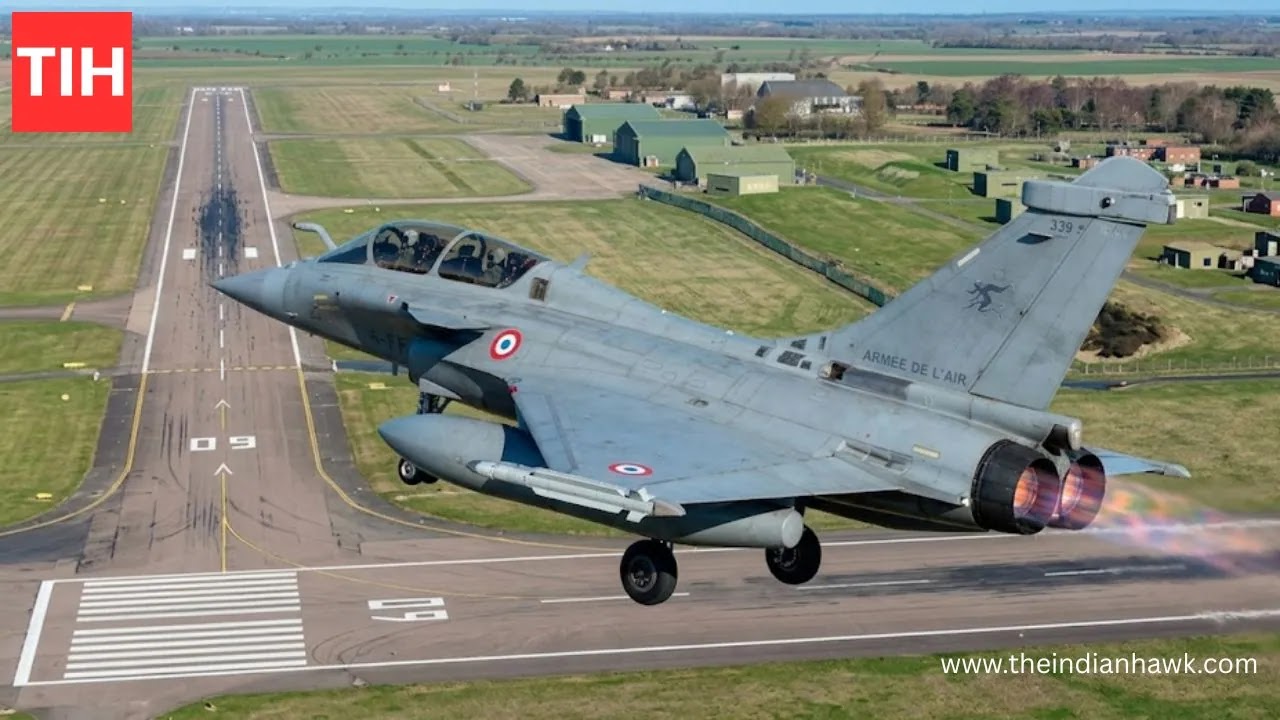
The Indian Air Force provides air power through fighter aircraft, transport fleets, helicopters, airborne early-warning platforms, refuelling aircraft, unmanned systems, air-defence networks and supporting infrastructure. Its responsibilities include air defence, air superiority, strike operations, air mobility, reconnaissance, support to joint forces and humanitarian assistance. Modern air operations depend on sensors, communications, maintenance, trained aircrew and resilient bases as much as on combat aircraft.
Chief of Defence Staff and jointness
The Chief of Defence Staff (CDS) was created to strengthen jointness among the three services and improve coordination on tri-service matters. The CDS also heads the Department of Military Affairs (DMA), which was established to promote integration in areas such as procurement, training, staffing and restructuring. The CDS is the principal military adviser to the Defence Minister on tri-Service matters, alongside the service chiefs’ professional responsibilities.
Department of Military Affairs and Department of Defence
The Ministry of Defence contains several departments with distinct responsibilities. The Department of Military Affairs deals with matters relating to the Armed Forces and promotes jointness. The Department of Defence handles defence policy and a range of administrative and institutional subjects, including defence cooperation with foreign countries, the defence budget and inter-service organisations. The Department of Defence Production focuses on defence production and industrial development, while other departments handle research and development and veterans’ welfare.
Commands and operational organisation
Each service has its own command structure designed around geography, function and operational needs. Army, Navy and Air Force commands are not identical, because land, maritime and air operations require different force structures. Joint organisations also exist for selected functions. The Andaman and Nicobar Command is an integrated command, while the Strategic Forces Command has responsibilities associated with strategic forces. The exact organisation and command arrangements can evolve as reforms progress.
Integrated theatre commands: reform rather than assumption
India has examined integrated theatre commands to improve coordination across services by geography or mission. The idea is to bring relevant Army, Navy and Air Force capabilities under a joint operational commander for a defined theatre. Such a reform involves complex questions about command authority, service roles, logistics, personnel, budgets, doctrine and the relationship between operational command and administrative control. It is important to distinguish proposals, studies and announced reform goals from a fully implemented command structure.
Other uniformed forces and distinctions
India also has the Indian Coast Guard, Central Armed Police Forces and state police organisations. These bodies perform important national-security, law-enforcement and maritime functions, but they are not the same as the three military services. The Coast Guard is an armed force of the Union with maritime law-enforcement and safety responsibilities under its governing framework. CAPFs operate under the Ministry of Home Affairs and have distinct internal-security and border-management roles.
Why jointness matters
Modern threats cross traditional service boundaries. A maritime operation may depend on air surveillance, naval ships, space-based communications and land-based logistics. Air defence requires coordination between sensors and weapons operated by different organisations. Jointness can improve resource use and operational coherence, but it requires compatible systems, shared doctrine, trust, training and clear command arrangements.