Aerospace and defence exhibitions are organised events where aircraft, military systems, components, services and technologies are presented to governments, armed forces, industry buyers, investors, researchers and the public. Some are primarily trade fairs for professional visitors; others combine business meetings with public airshows and flying displays. Their importance lies not only in spectacle but in the commercial and institutional networks they create across a highly regulated, technically complex industry.
The main types of aerospace exhibition
International airshows combine flying demonstrations and static aircraft displays with business meetings and exhibition halls. Defence trade exhibitions focus more heavily on land, naval, aerospace and digital systems, often with restricted business areas. Specialist conferences and technology expos concentrate on subjects such as propulsion, radar, space, maintenance, cyber security or unmanned systems. Many major events blend these formats.
What is displayed?
Exhibits can include combat aircraft, trainers, transport aircraft, helicopters, engines, avionics, flight-control systems, radar, electronic warfare equipment, communications, satellites, unmanned aircraft, missiles, sensors, simulation tools, maintenance equipment and advanced materials. A company may display a complete platform, a subsystem, a scale model or a technology demonstrator. Visitors should distinguish between an operational product, a prototype, a concept model and a marketing display.
How the business side works
Exhibitions create a concentrated setting for meetings between manufacturers, government procurement officials, military users, suppliers and potential industrial partners. Companies use them to demonstrate capabilities, identify local partners, discuss export requirements, meet investors and understand future demand. Governments may hold bilateral meetings or announce memoranda, industrial agreements and procurement milestones.
However, a memorandum of understanding, letter of intent or exhibition announcement should not be treated as a completed contract. Defence procurement normally requires requirements definition, technical evaluation, budgetary approval, security and export-control checks, contract negotiation and delivery milestones. Media reporting should clearly distinguish these stages.
Why flying and static displays matter
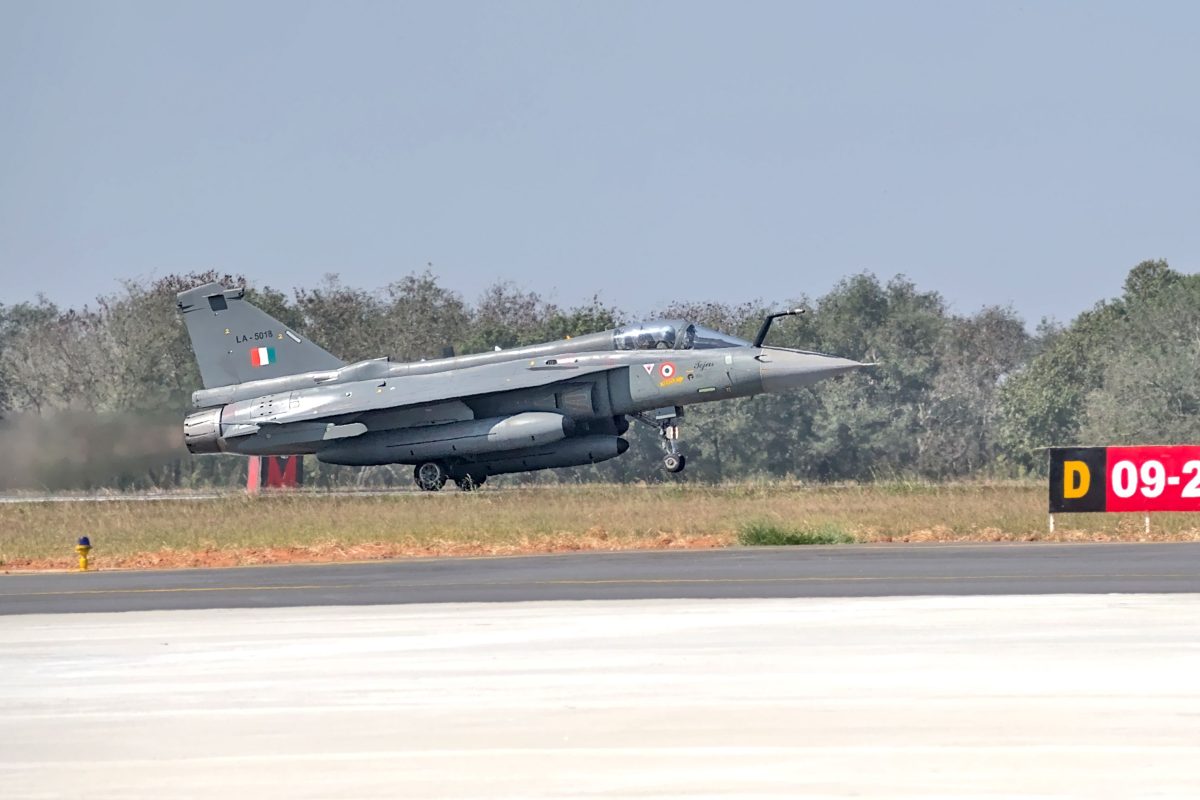
Flying displays allow a limited demonstration of aircraft handling and selected performance characteristics under controlled conditions. They do not provide a complete operational evaluation and cannot substitute for formal trials. Static displays allow close inspection of exterior design, equipment layout and visible components, but classified or sensitive systems are generally not open for inspection. Safety rules, weather, airfield operations and national regulations determine what can be demonstrated.
Defence exports and industrial partnerships
For emerging manufacturers, exhibitions provide access to international buyers and established supply chains. A small company may use an event to find a prime contractor, demonstrate a sensor or material, or establish a maintenance partnership. For larger companies, exhibitions help maintain relationships with customers and present upgrade packages, training, sustainment and lifecycle services. Export discussions must still comply with national licensing rules, end-user requirements, sanctions and international obligations.
How to assess announcements accurately
Readers should ask five questions: Who made the announcement? Is it a binding contract or an expression of interest? What is the value and currency? What is the delivery or implementation schedule? Which company or government has confirmed the details? A product model on a stand does not prove that a customer has selected or ordered it. Likewise, a signed agreement may cover cooperation rather than an immediate purchase.
India’s exhibition ecosystem
India’s flagship event is Aero India, held at Air Force Station Yelahanka in Bengaluru. It provides a platform for domestic and international aerospace firms, military delegations, government agencies and technology organisations. The 2027 edition is scheduled for 8–12 February. The event’s official portal and Ministry of Defence announcements provide the authoritative details on access, exhibitors and programming.
For a detailed event-specific reference, see our Aero India 2027 guide and our report on the exhibition’s capacity expansion.
What makes an exhibition successful?
Useful measures include the quality of professional participation, meaningful buyer-supplier meetings, follow-up contracts, technology partnerships, export outcomes, participation by small businesses, research collaboration and the delivery of announced projects. Visitor numbers and aircraft displays attract attention, but long-term industrial results are a better measure of strategic value.