
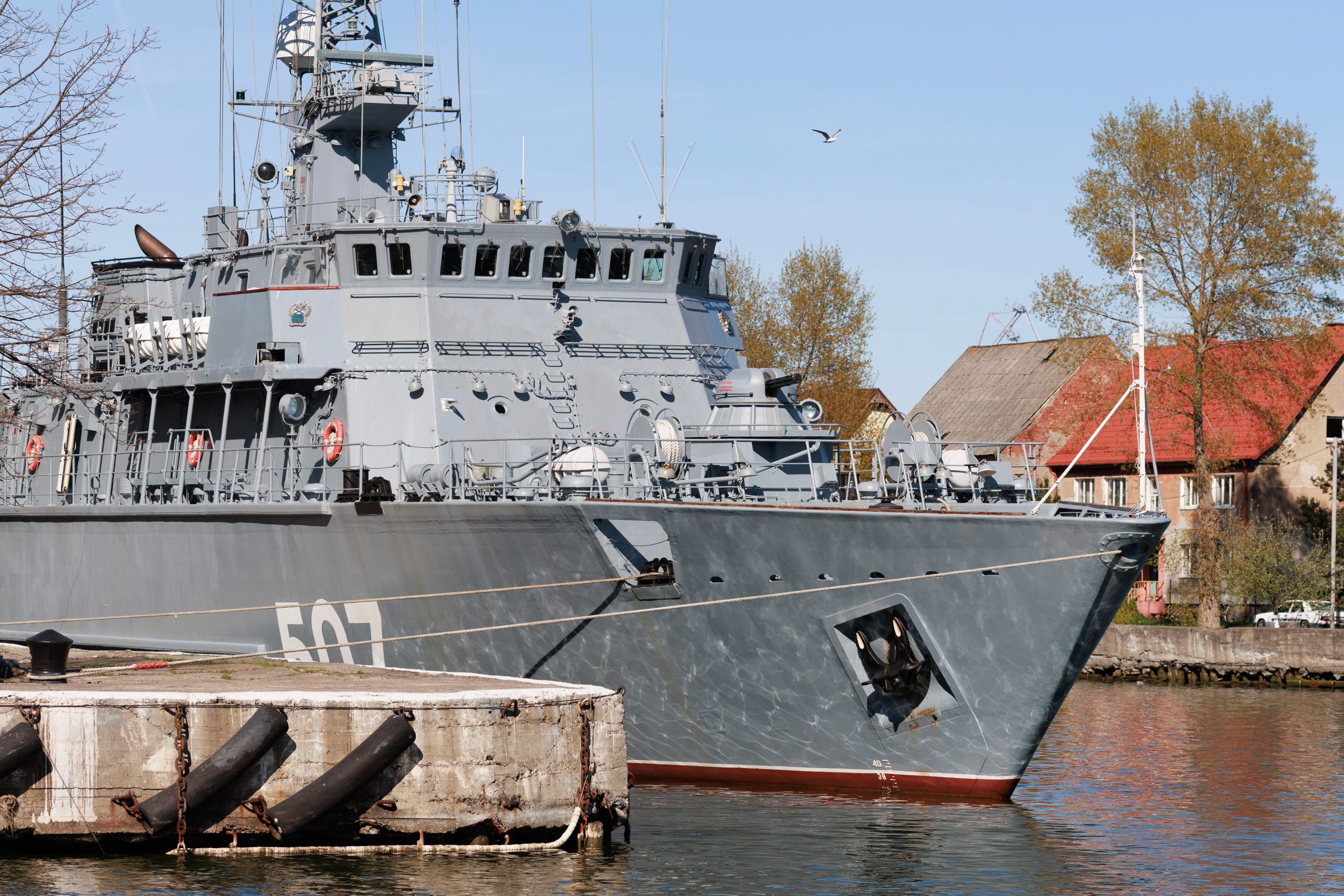
BENGHAZI, November 26, 2026 — Libya’s eastern-based Libyan National Army (LNA) has vowed retaliation after two naval officers died from wounds sustained in a Ukrainian sea-drone attack on a Russian corvette docked at Benghazi Naval Base. The deaths add a new and sensitive dimension to an incident that has raised questions about the reach of the Russia–Ukraine war into the Mediterranean.
The LNA, which is closely aligned with Moscow, said it would respond to the attack at a time and place of its choosing. The threat was reported after two Libyan naval personnel succumbed to their injuries. At least 10 people were reported wounded in the incident, according to information cited by the Associated Press.
What is known about the Benghazi attack
The attack took place on Sunday while a Russian corvette was docked at the naval base in Benghazi, in eastern Libya. Ukrainian naval drones were reported to have struck the vessel. Libyan officials said an initial investigation found that the drones had been launched from a Ukrainian-operated base in western Libya. According to the account cited by AP, at least four drones were intercepted and two struck the ship.
Those details remain subject to verification. Ukraine did not immediately comment on the latest Libyan statements, although it had previously said its forces had not targeted Libyans. The reported findings about the launch location and the circumstances of the attack should therefore be treated as claims from officials involved in the investigation, rather than as independently established facts.
The eastern-based LNA is not synonymous with every institution or authority in Libya. The country remains politically divided, and statements by the LNA should not automatically be read as the position of all Libyan authorities or communities.
Why the deaths change the political stakes
The reported deaths of Libyan naval officers raise the political cost of an incident that had initially been framed around a Russian military vessel. An attack on a foreign ship in port can create diplomatic tension; casualties among local personnel can turn it into a domestic security issue and intensify pressure for a response.
The LNA’s threat is deliberately open-ended. It does not specify whether retaliation would involve military action, security measures, diplomatic pressure or another form of response. That ambiguity leaves room for political signalling, but it also increases uncertainty for shipping and other actors operating around Benghazi.
For Ukraine, any allegation that its forces used a base in western Libya would carry implications beyond the immediate naval operation. It could complicate relations with Libyan authorities and create concerns among countries that do not want their territory or ports drawn into the conflict. Ukraine has not confirmed the specific allegation about the launch site.
The Mediterranean dimension of the war
The Benghazi incident illustrates how the Russia–Ukraine conflict can affect maritime security far from the main front. Russia maintains military and logistical interests across several regions, while Ukraine has demonstrated an ability to use unmanned maritime systems against Russian naval assets. When such operations take place near third countries, the risk of collateral consequences rises.
Ports are particularly sensitive environments. Naval bases, commercial shipping, fuel facilities and civilian infrastructure may be located close together. An attack in such an area can create risks for local personnel and infrastructure even if the intended target is a military vessel.
The incident also underlines the importance of maritime surveillance and port security. Authorities must be able to detect small unmanned surface vessels, identify their origin where possible and protect both military and civilian shipping. The response requires sensors, patrols, intelligence sharing and clear procedures for dealing with suspicious craft.
What happens next
The immediate questions are whether Libyan authorities will publish further findings, whether Ukraine responds to the allegation about the launch site and whether the LNA follows through on its threat. Any confirmed escalation could widen the diplomatic and security consequences of the attack.
The Indian Hawk previously reported on the initial claim that Ukrainian naval drones struck a Russian corvette in Libya. The latest deaths and retaliation warning are a significant follow-up to that developing story. Ukraine’s separate claim of a strike on the Russian air base at Savasleyka shows how the conflict is continuing to place pressure on Russian military assets across multiple domains.
For now, the LNA’s statement is a warning rather than evidence that a retaliatory operation has begun. The distinction matters: the situation is serious, but further developments should be judged on confirmed actions and verified information.
Libya’s divided security structure complicates the response
The eastern-based Libyan National Army operates in a country where political and security authority remains divided. Its statements and military decisions should therefore be distinguished from the position of every Libyan institution. This matters for the Benghazi incident because a threat issued by the LNA may carry significant local weight without automatically representing a unified national response.
The location of the incident is also sensitive. Benghazi is a major eastern Libyan city with a naval base and commercial maritime activity. An attack on a vessel in port can create risks for personnel, nearby infrastructure and ships that have no connection to the conflict. The reported deaths of two Libyan officers could increase public and political pressure for a response, even if the original target was a Russian military vessel.
Retaliation could take several forms
The LNA has not publicly specified what retaliation would involve. It could refer to military action, heightened security measures, diplomatic pressure or other steps. Until an action is confirmed, it would be premature to describe a retaliatory operation as underway. The uncertainty itself, however, may affect the calculations of shipping companies, port operators and foreign military actors with interests in the region.
Any response would also have to account for the risk of widening the incident. A direct military response could draw additional actors into a confrontation, while a diplomatic or security response might seek to impose costs without expanding the fighting. The choices available to the LNA are shaped by Libya’s internal divisions and its relationships with external partners.
Port security and unmanned maritime threats
The incident highlights the difficulty of protecting naval facilities from small unmanned surface vessels. Such craft can be difficult to detect against background maritime traffic, particularly near a busy port. Defending a harbour requires layered surveillance, patrols, access controls, rapid reporting and coordination between military and civilian authorities.
It also reinforces the importance of distinguishing confirmed findings from allegations. The reported investigation into the launch location has not been independently verified, and Ukraine has not confirmed the specific claim. Further official information will be necessary before responsibility and the full circumstances can be established.
Reporting inputs: Associated Press and Libyan National Army statements.