The Armed Forces Medical Services (AFMS) is the integrated medical organisation that provides healthcare to India’s defence personnel and eligible dependants. It supports the Army, Navy and Air Force, and contributes medical capability during field operations, emergencies and natural disasters. Military medicine must function in peacetime hospitals as well as demanding environments where distance, climate, operational tempo and limited infrastructure can complicate care.
What is AFMS?
AFMS brings together the medical services of the three armed services under the Director General, Armed Forces Medical Services (DGAFMS). The Ministry of Defence’s Annual Report 2025–26 describes AFMS as providing comprehensive healthcare to serving personnel and their dependants, and also to ex-servicemen and their dependants within the country. Medical support may also be provided to personnel of specified paramilitary, central police, intelligence and General Reserve Engineering Force units in disturbed and forward areas. During disasters and in operational areas, AFMS may support civilian populations as well.
Organisational structure
The DGAFMS is responsible to the Ministry of Defence for overall medical policy matters related to the Armed Forces. The heads of the Army, Navy and Air Force medical services oversee their respective organisations under the service chiefs and within the policy framework. This arrangement allows each service to address its operational environment while maintaining common medical policy and coordination.
The AFMS includes the Army Medical Corps, including its non-technical component, the Army Dental Corps and the Military Nursing Service. Medical officers, nurses, dentists, paramedical personnel, technicians, administrators and support staff contribute to the system. The service also maintains links with civilian medical institutions, professional bodies and research organisations.
Hospitals and levels of care
Military healthcare is delivered through a network of service hospitals, specialist centres, field medical units and other facilities. The system covers primary care, emergency treatment, surgery, specialist consultations, rehabilitation, dental care and preventive medicine. The level and location of care depend on a patient’s needs and the operational environment. In deployed settings, medical teams may need to stabilise casualties and arrange evacuation to facilities with greater capability.
Operational and battlefield medicine
Operational medicine focuses on preserving life and function in environments where evacuation, supplies and infrastructure may be constrained. It includes casualty triage, trauma care, blood management, preventive medicine, medical logistics, evacuation planning and rehabilitation. The medical chain must connect the point of injury to progressively higher levels of treatment. Training and rehearsals are essential because delays, communication failures and shortages can affect outcomes.
Specialist areas of military medicine
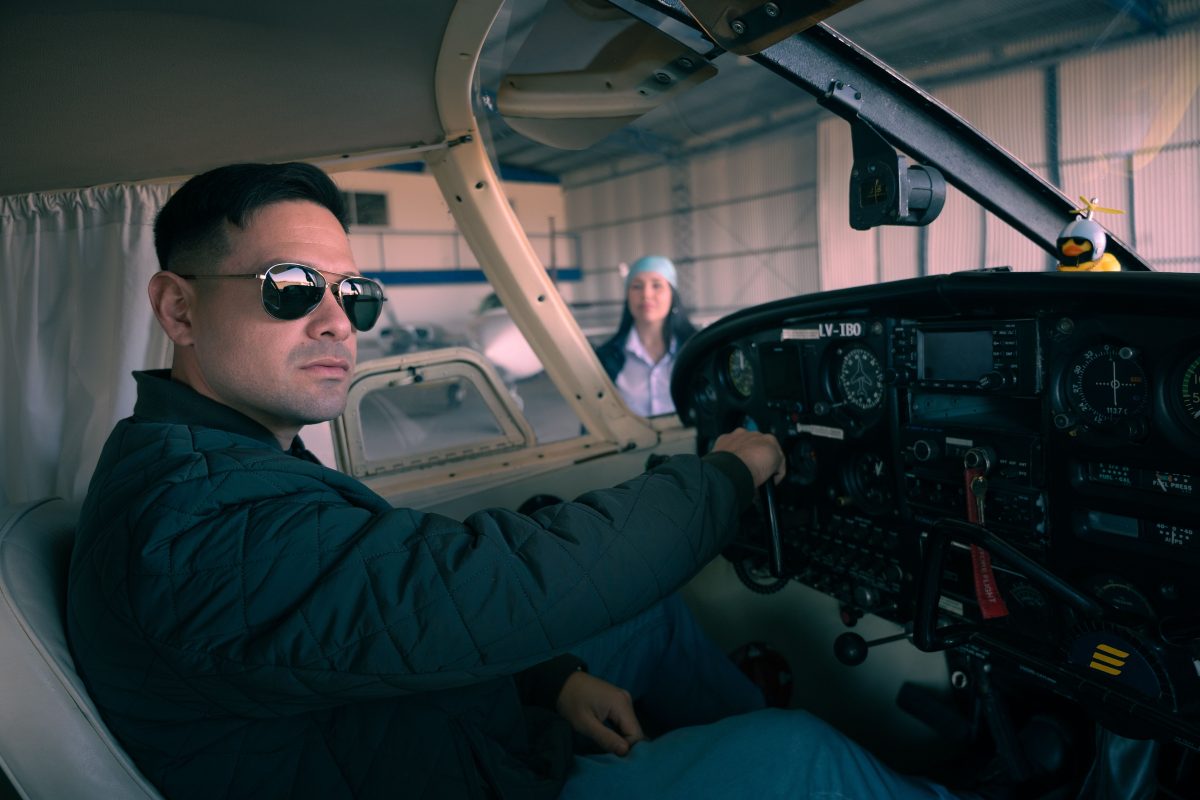
Military medicine includes aerospace medicine, high-altitude medicine, diving and submarine medicine, tropical medicine, occupational health, mental health, infectious-disease prevention and rehabilitation. Each area responds to distinctive occupational risks. For example, aerospace medicine studies the effects of altitude, acceleration and fatigue on aircrew, while high-altitude medicine addresses hypoxia, cold exposure and acclimatisation challenges.
Training and research
AFMS training includes undergraduate and postgraduate medical education, specialist courses, continuing professional development and operational preparation. The Armed Forces Medical College in Pune is an important institution in the military medical education system. Research can address trauma care, preventive medicine, operational fitness, medical equipment, rehabilitation and health challenges associated with military environments.
Disaster response and civilian support
During natural disasters and major emergencies, military medical teams can provide triage, emergency treatment, field hospitals, evacuation and public-health support. Such assistance is coordinated with civil authorities and other responders. Military medical capability can be valuable where roads, hospitals or communications have been disrupted, but it supplements rather than replaces the civilian health system.
Why AFMS matters to readiness
Medical support is a component of combat readiness. A force must be able to prevent illness, treat injuries, maintain occupational fitness and return personnel to duty where medically appropriate. Effective healthcare also supports morale, retention and the welfare of families. The AFMS therefore contributes to national security through both clinical care and operational resilience.
Related coverage
Read our coverage of Operation Drishti and our guide to aerospace medicine.