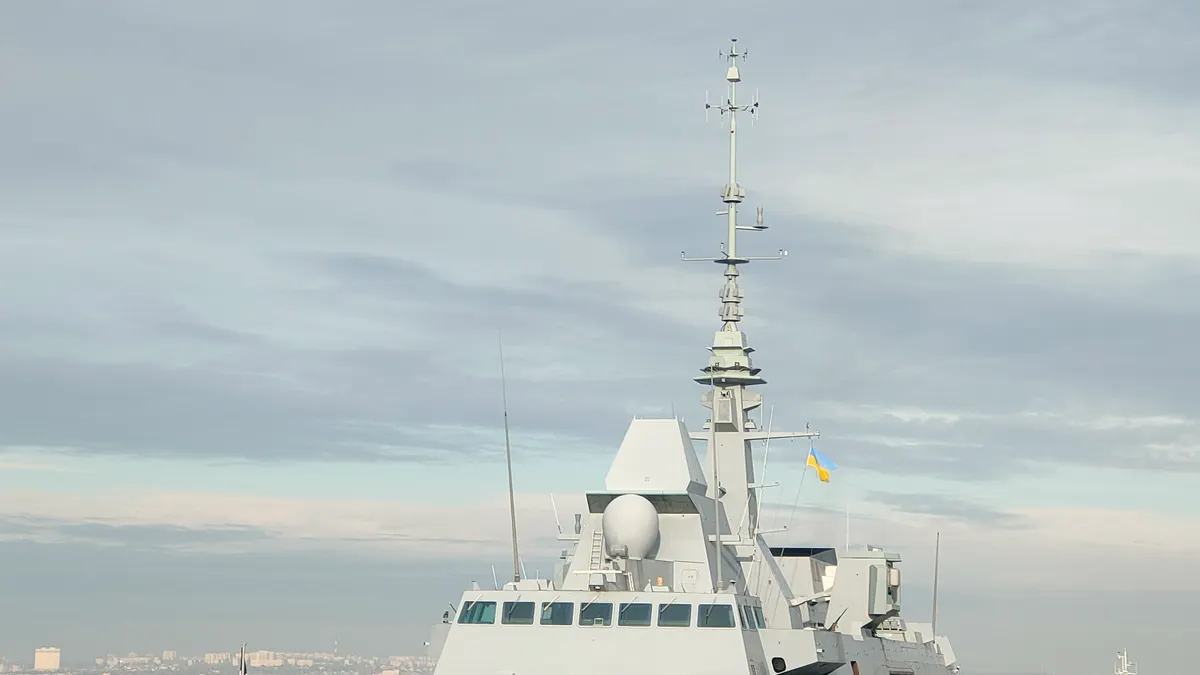
Quick take: Garden Reach Shipbuilders & Engineers (GRSE) delivered Ashank, an Anti-Submarine Warfare Shallow Water Craft (ASW-SWC), to the Indian Navy on 23 November 2026. The vessel is designed for anti-submarine operations in coastal waters and incorporates approximately 88% indigenous content, according to the Ministry of Defence.
The handover marks another milestone in India’s effort to expand its locally built naval fleet and strengthen surveillance and response capabilities in the littoral environment. GRSE said Ashank is the 120th warship built by the shipyard and the 82nd delivered to the Indian Navy.
Ashank Delivered to the Indian Navy
The delivery took place in Kolkata on 23 November. Rear Admiral Gautam Marwaha, VSM, Chief Staff Officer (Technical) at Headquarters Eastern Naval Command, accepted the vessel on behalf of the Navy. GRSE described Ashank as its second warship delivery during November, following the handover of Amini on 5 November.
The name Ashank conveys fearlessness and an undaunted spirit. The ship belongs to the Navy’s ASW-SWC programme, which is intended to provide purpose-built platforms for detecting and responding to underwater threats in shallow and coastal waters. The Ministry’s announcement did not disclose the vessel’s full sensor fit, weapons configuration, detailed performance figures or operational deployment schedule.
Why Shallow-Water Anti-Submarine Warfare Matters
Coastal waters present a challenging environment for anti-submarine warfare. Variations in depth, seabed conditions, commercial shipping and background noise can complicate the detection and tracking of submarines. A platform designed for shallow-water operations can help the Navy maintain a persistent presence near ports, approaches and important coastal areas.
Such vessels complement, rather than replace, larger destroyers, frigates, maritime patrol aircraft and helicopters. The Navy requires a layered approach to maritime security: larger ships provide wider-area presence and command capabilities, while smaller specialised vessels can focus on local patrol and underwater surveillance tasks.
88% Indigenous Content and Shipbuilding Capacity
GRSE reported that the ASW-SWC programme incorporates approximately 88% indigenous content. The announcement also highlighted a 30mm naval surface gun manufactured by GRSE. A high domestic-content share can support local suppliers, engineering skills and maintenance capacity, although the precise breakdown of locally sourced components was not provided in the release.
The shipyard said it is currently building 12 frontline naval platforms, including one Project 17A advanced stealth frigate, two ASW-SWCs, four Next Generation Offshore Patrol Vessels and five Next Generation Corvettes. It is also constructing 36 other vessels, including 13 export platforms. This order book illustrates the scale of work facing India’s public-sector shipbuilding base.
A Wider Push to Expand the Indian Navy
The delivery comes as India continues to invest in fleet modernisation and indigenous shipbuilding. The government has also placed emphasis on larger surface combatants, including the programme for eight Next Generation Corvettes, and on strengthening the Navy’s ability to operate across the Indian Ocean region.
For the Navy, the value of a new ship is measured not only by its construction milestone but by how quickly it can be integrated into training, maintenance and operational tasking. Crew work-up, trials, sensor validation and the availability of spares all influence when a newly delivered vessel can contribute fully to the fleet.
What Comes Next for Ashank?
The Ministry of Defence’s delivery announcement confirms the handover but does not set out a public date for the vessel’s first operational deployment. Further information on commissioning, trials and the induction of other ASW-SWC vessels will provide a clearer picture of how quickly the programme is translating into operational capability.
Bottom line: Ashank’s delivery adds another indigenously built platform to the Indian Navy’s coastal anti-submarine warfare effort. Its reported 88% indigenous content and GRSE’s wider construction pipeline also underline the growing role of domestic shipyards in sustaining India’s maritime ambitions.
With inputs from the Ministry of Defence and Press Information Bureau, Government of India (23 November 2026).