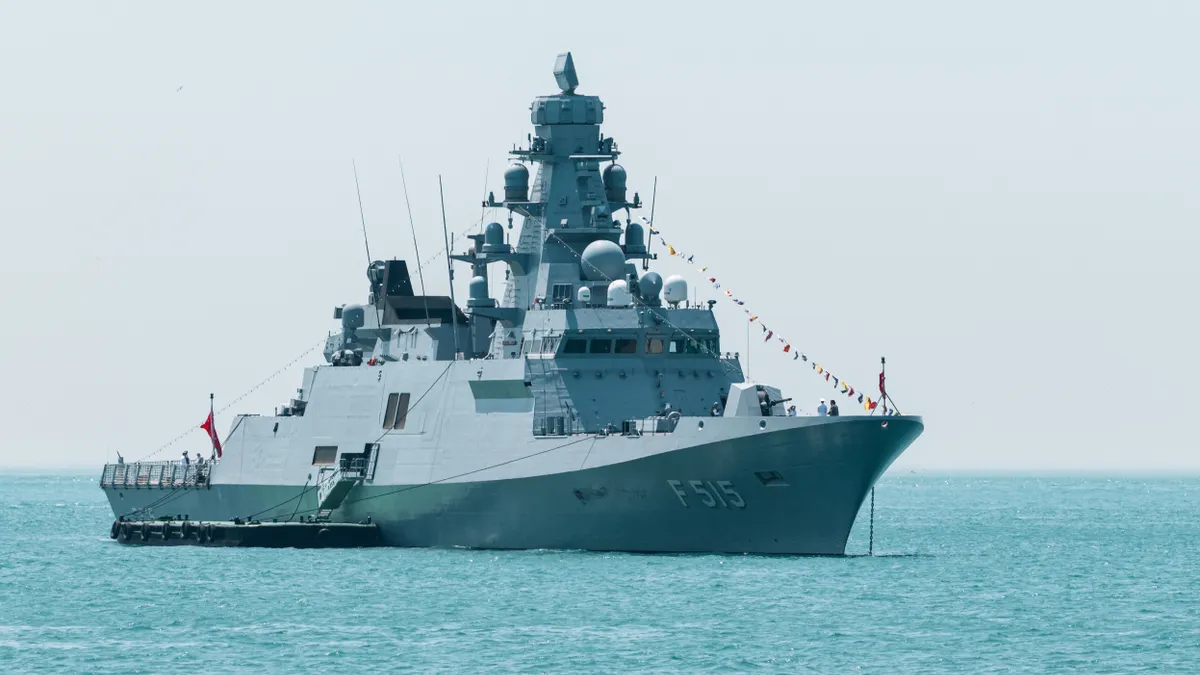
Quick take: The Indian Navy’s indigenous guided-missile stealth frigate INS Sahyadri completed a port visit to Da Nang, Vietnam, from 20 to 22 November 2026. The visit included professional interactions with the Vietnam People’s Navy, cross-visits by personnel and cultural engagements, according to the Ministry of Defence.
The port call was part of the ship’s operational deployment to the Far East and reflects India’s continued effort to build maritime partnerships across Southeast Asia. It also fits within New Delhi’s Act East Policy and its broader MAHASAGAR vision for cooperation and security across the Indian Ocean and wider maritime neighbourhood.
INS Sahyadri’s Da Nang Port Call
The frigate’s visit took place between 20 and 22 November. During the stay, Indian and Vietnamese naval personnel held professional interactions, conducted cross-visits and participated in cultural exchanges. The Ministry said the activities were intended to strengthen professional ties, mutual trust and understanding between the two navies.
The official announcement did not describe the port call as a combat operation or disclose details of any specific tactical exercise. It was a naval engagement and diplomatic activity designed to maintain contact between partner services and reinforce the relationship through regular interaction.
Why INS Sahyadri Is a Useful Platform for Engagement
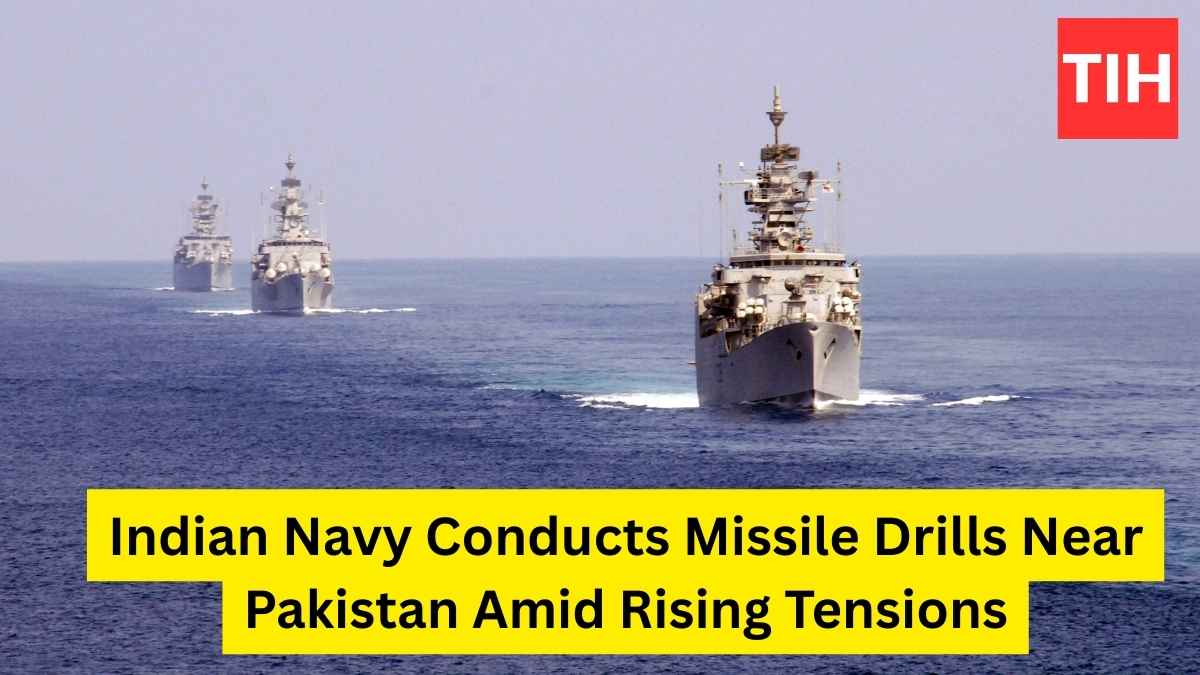
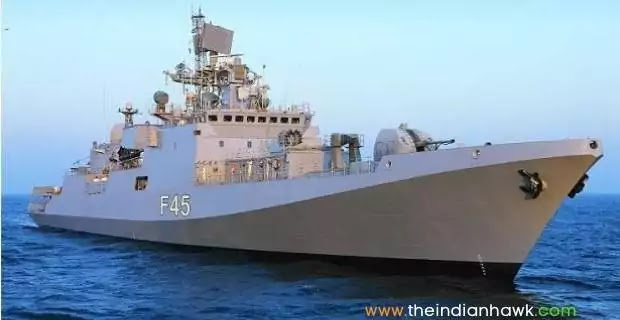
INS Sahyadri is a Shivalik-class guided-missile stealth frigate built in India. The class was designed for multi-role operations, combining air-defence, anti-surface and anti-submarine capabilities with sensors and command systems suited to extended deployments. Its indigenous construction is also a visible example of India’s efforts to expand domestic warship design and production.
A deployment by a frontline frigate allows the Indian Navy to demonstrate its ability to sustain operations far from home ports, while port visits provide opportunities for crew engagement, logistics coordination and maritime diplomacy. The value of such visits is cumulative: repeated contact helps establish familiarity and confidence between naval services.
India-Vietnam Maritime Cooperation
India and Vietnam share an interest in stability and freedom of navigation across the Indo-Pacific. Both countries have maritime interests linked to busy sea lanes, regional trade and the security of their coastal approaches. Naval cooperation can include port calls, training, information exchange, exercises and professional education.
For India, Vietnam is an important partner in Southeast Asia and a key component of its Act East engagement. For Vietnam, cooperation with India offers another channel for defence diplomacy and professional exchange without requiring either side to enter a formal military alliance.
Act East Policy and MAHASAGAR
The Ministry linked the visit to India’s Act East Policy and MAHASAGAR—Mutual and Holistic Advancement for Security and Growth Across Regions. The two concepts reflect India’s interest in stronger links with Southeast Asia and a wider maritime approach that includes security, economic connectivity and cooperation with partner countries.
Naval deployments and port calls are one practical expression of that policy. They allow India to maintain a visible presence, build professional relationships and support a network of maritime partnerships. They are not a substitute for diplomatic engagement or regional institutions, but they can reinforce both.
What Comes After the Visit?
The immediate port call has concluded, but the broader relationship will depend on follow-on exchanges, future ship visits, training and other forms of cooperation. The Navy’s wider deployment pattern across the Far East will also indicate how India is sustaining its maritime engagement with regional partners.
Bottom line: INS Sahyadri’s Da Nang visit was a practical step in India-Vietnam naval diplomacy. The professional exchanges and cross-visits strengthened service-to-service contact while reinforcing India’s wider effort to remain an active maritime partner in Southeast Asia.
With inputs from the Ministry of Defence and Press Information Bureau, Government of India (23 November 2026).