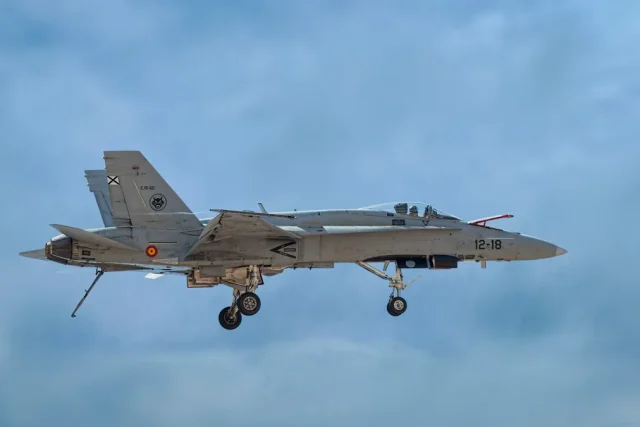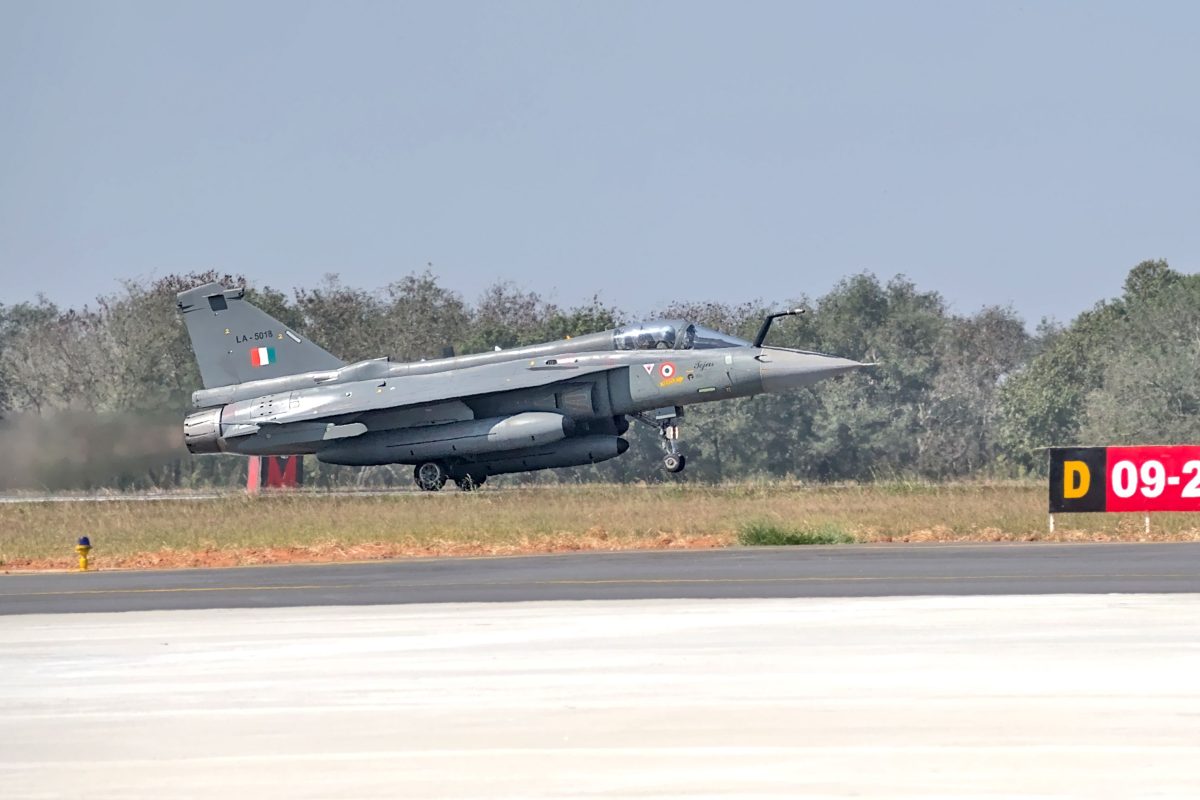
An Air Defence Identification Zone (ADIZ) is a designated area in which aircraft are subject to additional identification, reporting or clearance procedures for national air-defence purposes. The purpose is to help authorities identify aircraft approaching or operating near a country’s airspace, correlate flights with filed plans and investigate unknown or unauthorised movements. An ADIZ is an air-surveillance and security arrangement; it is not, by itself, an extension of a country’s sovereign territorial airspace.
What an ADIZ does
Air-defence organisations need to distinguish expected, authorised aircraft movements from unidentified or potentially hostile activity. An ADIZ creates a procedural layer around that task. Depending on the country, aircraft may have to file flight information, maintain communications, use an identification code, obtain a clearance or comply with specific reporting requirements. The exact rules are not universal: they are set out in each state’s aeronautical information publications and related regulations.
ADIZ versus sovereign airspace
Sovereign airspace is the airspace above a state’s territory and territorial sea, subject to the applicable rules of international law. An ADIZ may extend beyond territorial airspace, including over areas of international airspace, because its purpose is early identification rather than a declaration of sovereignty. The legal and operational implications therefore need to be assessed separately. Crossing an ADIZ boundary is not automatically the same thing as entering another state’s sovereign airspace.
An ADIZ should also not be confused with a Flight Information Region (FIR), which is an air traffic services area established to provide flight information and alerting services. Nor is it identical to a prohibited, restricted or danger area, which may impose limits on flight for other safety or security reasons.
How India’s ADIZ procedures work
India publishes ADIZ procedures through its Aeronautical Information Publication (AIP). The AIP identifies designated zones and sets out the requirement for Air Defence Clearance (ADC) for flights originating within or entering the specified Indian ADIZ areas. The published procedures cover civil and military aircraft and also refer to helicopters, unmanned aircraft, microlights, powered gliders and balloons.
ADC provides air-defence authorities with advance flight-plan information so that expected movements can be identified and correlated. The stated purposes include reducing unnecessary visual identification activity, enabling prompt investigation of unknown flights and allowing an appropriate response to unauthorised or objectionable intrusions. Air traffic control procedures require a valid ADC number for relevant flights under the published rules.
Why flight-plan accuracy matters
Identification depends on matching an aircraft’s actual movement with the information supplied in advance. An aircraft that operates without the required clearance, fails to follow restrictions or deviates from its flight plan may be subject to identification and interception procedures. This is why pilots and operators must follow current AIP instructions, air traffic control clearances and any applicable NOTAMs. A routine flight should never assume that a general aviation clearance automatically replaces an air-defence clearance where one is required.
How an ADIZ is monitored
Monitoring may involve ground-based surveillance radars, civilian air-traffic information, airborne early-warning aircraft, communications networks and command-and-control centres. Sensors provide tracks; identification processes compare those tracks with flight plans and other available information. Authorities then assess whether a movement is expected, requires clarification or presents a potential security concern. The precise systems and procedures are country-specific and may not all be publicly disclosed.
International practice and legal context
ADIZ arrangements vary across the world. The US Federal Aviation Administration defines an ADIZ as an area where aircraft identification, location and control are required in the interest of national security. The International Civil Aviation Organization’s manual on civil-military cooperation describes ADIZs as designated airspace with special identification or reporting procedures in addition to ordinary air traffic services. ICAO notes that operational details are generally found in national AIPs and that there is no single public consolidated list of every active ADIZ.
Because procedures differ, pilots, airlines and operators must consult the relevant national AIP rather than assume that the rules of one country apply elsewhere. Military and civilian authorities also need coordination so that security measures do not create unnecessary risks for lawful air traffic.
Why ADIZs matter to modern air defence
Airspace is increasingly busy and diverse. Civil airliners, military aircraft, drones, balloons and other platforms may share or approach the same airspace. Timely identification reduces uncertainty, supports airspace safety and helps authorities respond proportionately. ADIZ procedures are only one component of air defence: they do not replace radar coverage, command networks, interceptors, air traffic control or diplomatic communication.
Related reading
For a wider look at the systems that detect and respond to aerial threats, read our guide to India’s air-defence system and our report on NATO AWACS operations in Poland.