A military biography is more than a list of ranks and postings. A reliable profile explains a person’s service, role, achievements and historical context using verifiable records. It should distinguish confirmed facts from recollections, family accounts, media reports and later interpretation. This is especially important when writing about military operations, gallantry awards, casualties, veterans and public officials whose names may appear in multiple records.
Start with identity verification
Before writing, confirm the person’s full name, service, rank, unit or organisation and the relevant time period. Similar names can lead to mistaken identities, especially when initials, transliteration or spelling variants are involved. Use at least two reliable sources where possible. Avoid inferring personal details from a photograph or a social-media profile.
Build a service chronology
A useful chronology records entry into service, major training, promotions, appointments, unit assignments, deployments, operational roles and retirement or transition to civilian life where publicly documented. Dates should be checked carefully. A rank held at the time of an event may differ from a later honorary or retired rank. Temporary appointments and acting ranks should be identified correctly.
Understand ranks and appointments
Military rank indicates a person’s position within a service hierarchy, while an appointment describes the job or responsibility held at a particular time. A person may hold the rank of colonel while serving as a commanding officer, staff officer or instructor. A biography should not assume that rank alone explains the person’s operational authority. Service-specific rank structures and equivalents also require care.
Verify awards and decorations
Gallantry and distinguished-service awards should be checked against official government announcements, citations and service records. The award name, date, category and whether it was posthumous should be reproduced accurately. An award citation may describe a particular action, but it should not be expanded into claims that the official record does not support. A mention in dispatches is not the same as a gallantry medal.
Use official histories and archives
India’s Ministry of Defence History Division is responsible for researching and compiling histories of military operations. The government has published official histories and declassified records, and the Samar Abhilekh portal provides access to records, books, photographs and other material related to the Indian Armed Forces. The National Archives of India also holds public records, including historical military and government collections.
Cross-check unit and operational history
When a biography refers to a regiment, ship, squadron, formation or operation, check the official history of that unit and the dates it served in the relevant theatre. A person’s presence in a unit does not automatically mean they participated in every action associated with it. Distinguish between command, staff, support and combat roles.
Handle disputed or incomplete information
Some records may remain classified, unavailable or incomplete. A responsible biography should state when details are not publicly confirmed. Conflicting accounts should be attributed to their sources and explained rather than silently reconciled. Personal claims about family, health, political views or private life should be omitted unless they are directly relevant, reliably documented and appropriate to publish.
Write with context, not exaggeration
Military biographies should explain the strategic and institutional context of a person’s service. They can describe the mission, the organisation, the historical period and the significance of documented actions. Avoid unsupported superlatives such as “the greatest”, “most feared” or “most decorated” unless a clear and authoritative basis exists. Respectful writing does not require uncritical praise; it requires accuracy.
Useful Indian research sources
- Ministry of Defence History Division: official operational histories and declassified records.
- Samar Abhilekh: digital records, books, photographs and historical material.
- Press Information Bureau: official award announcements and government releases.
- National Archives of India: historical government and military records.
- Service headquarters and unit histories: organisational information and official commemorative publications.
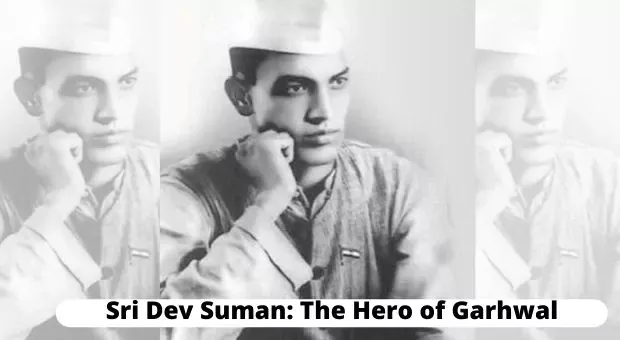
For an example of a historical profile, see our article on Shri Dev Suman. For official military history, consult the Samar Abhilekh portal.