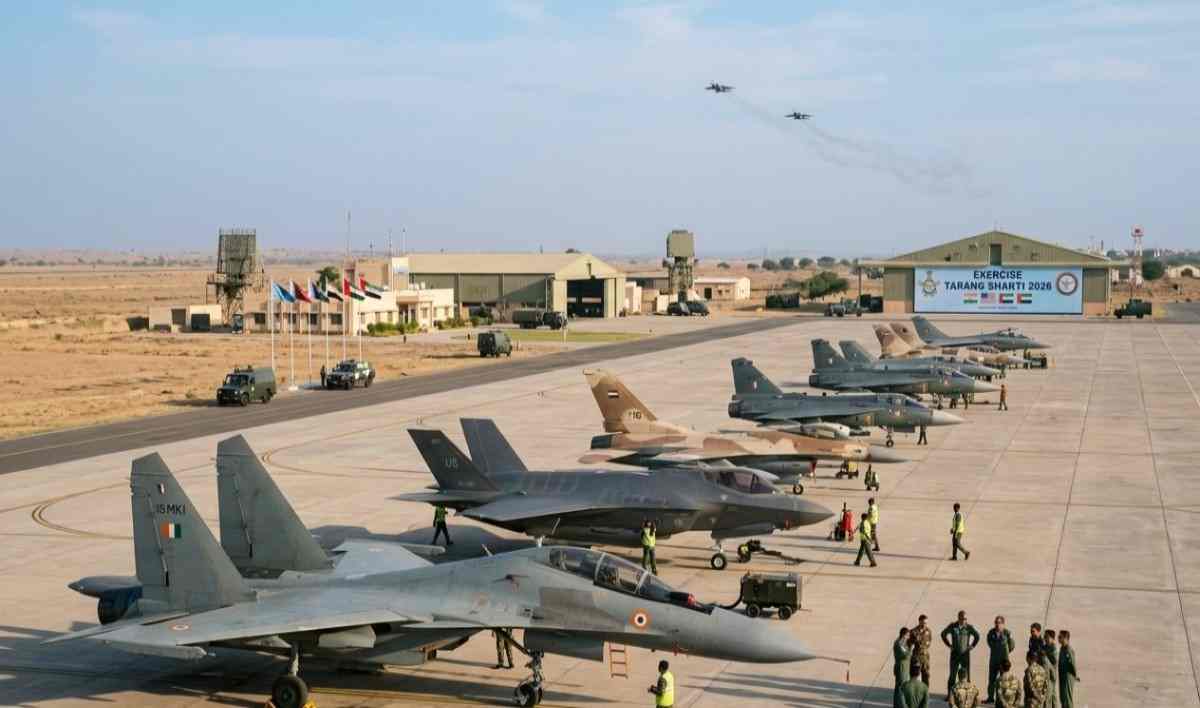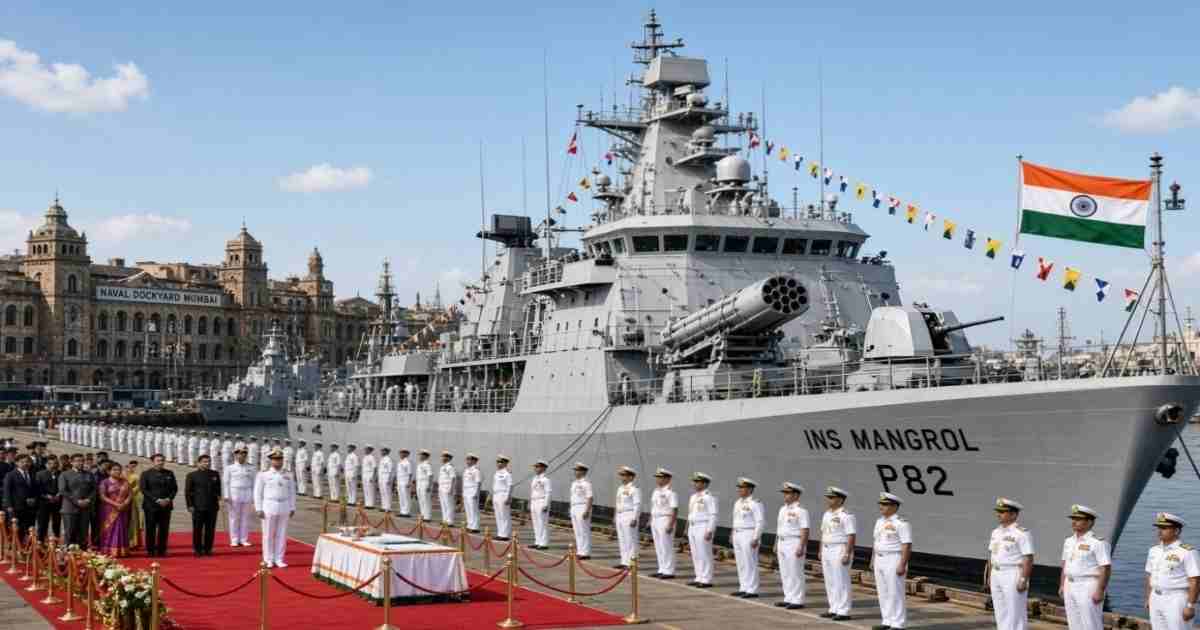

Port Blair, April 2, 2026: The Indian Armed Forces successfully concluded the high-intensity tri-service Exercise Dweep Shakti 2026 in the Andaman and Nicobar Islands, validating integrated operational concepts for defending remote island territories and coastal assets against multi-domain threats.
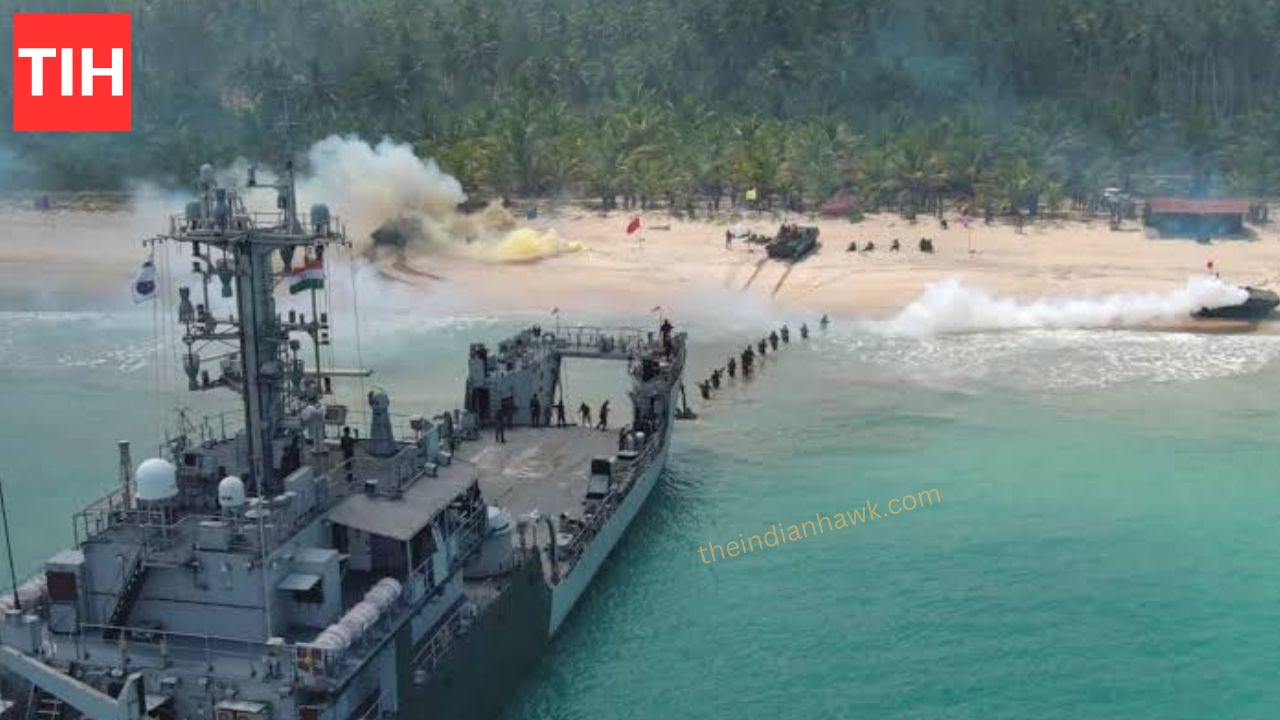
Conducted from March 24 to 28 under the Andaman and Nicobar Command, the exercise brought together units from the Army, Navy, Air Force, and Coast Guard for coordinated drills that included amphibious assaults, beach landings, maritime interdiction, and precision air strikes.
Special forces teams executed night operations while drone swarms provided persistent surveillance and targeting support in a network-centric environment.
Senior military commanders described the exercise as a critical step towards achieving seamless jointness ahead of the establishment of integrated theatre commands.
The archipelago’s diverse terrain — ranging from dense tropical forests to open ocean stretches — offered an ideal setting to test logistical sustainment over long distances from the mainland and rapid deployment of forces across domains.
Participants refined tactics for defending key sea lines of communication that pass near the Malacca Strait.
Emphasis was placed on integrating unmanned aerial and underwater vehicles with conventional platforms, reflecting the evolving nature of modern warfare where technology reduces manpower risks while increasing situational awareness.
The exercise also simulated humanitarian assistance and disaster relief scenarios, underscoring the dual role of the Andaman and Nicobar Command as both a strategic outpost and a regional stability provider.
Lessons learned will directly feed into future operational doctrines and capability development plans.
Strategically located, the islands serve as India’s eastern maritime frontier. Regular exercises of this scale demonstrate India’s resolve to maintain robust deterrence in the face of growing naval assertiveness by other powers in the Indo-Pacific.
The involvement of accretion troops from mainland formations further highlighted the command’s ability to scale up rapidly when required.
(With Input from News Agencies).