
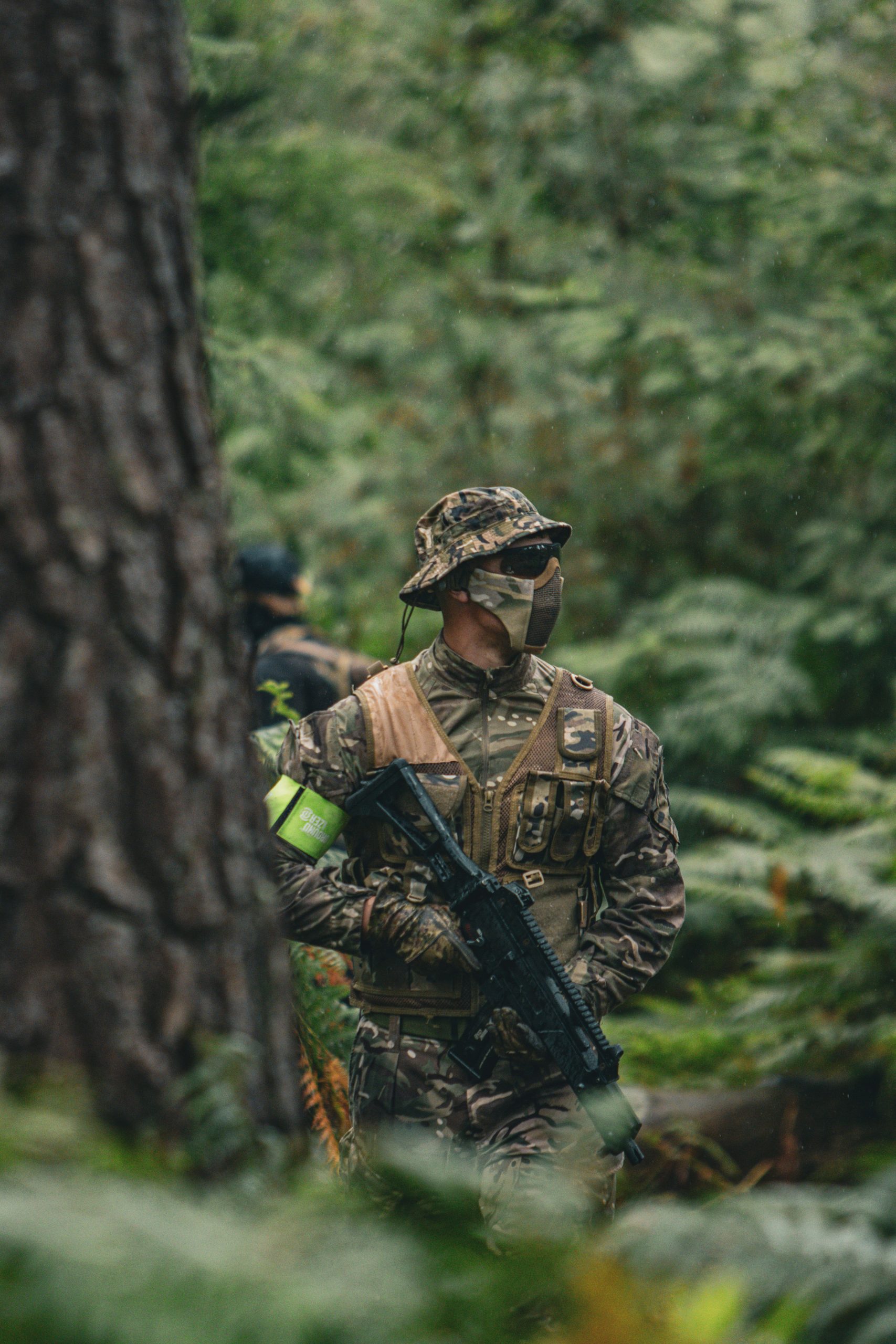
NEW DELHI, November 26, 2026 — The 20th edition of the India–Nepal joint military exercise Suryakiran XX began at the Nepal Army Battle School in Saljhandi on November 25, bringing together 668 soldiers for two weeks of combined training. The exercise will run until December 8 and is designed to improve interoperability, operational coordination and mutual understanding between the two neighbouring armies.
The Indian Army contingent comprises 334 personnel represented by troops from the Kumaon Regiment. Nepal has fielded an equal number of soldiers from the Shree Jawla Dal Battalion. The opening ceremony was attended by Major General Purna Bahadur Khatri, General Officer Commanding of the Nepal Army’s Mid Western Division.
What the two armies will practise
According to the Ministry of Defence, the exercise is centred on counter-insurgency and counter-terrorism operations in challenging terrain. Its training programme includes joint tactical operations, heliborne activities, disaster response and medical training. Soldiers will exchange operational experiences and refine procedures that could be used when the two forces need to coordinate in complex environments.
The focus is relevant to the geography shared by India and Nepal. Mountainous terrain, forested areas, difficult lines of communication and the possibility of natural disasters place a premium on coordination between military units. Training together helps the armies understand each other’s command practices, communication procedures and tactical methods before a real contingency arises.
Heliborne training is particularly useful in areas where road access is limited or where rapid movement of personnel and supplies is necessary. Disaster-response drills, meanwhile, help military teams prepare for rescue, evacuation, medical support and logistics during floods, landslides, earthquakes and other emergencies. The Ministry has not disclosed a detailed daily schedule or the specific platforms assigned to the exercise.
Why Suryakiran matters to India and Nepal
Suryakiran is an annual bilateral exercise hosted alternately by India and Nepal. Its value extends beyond the training period: repeated interaction builds familiarity among officers and soldiers, strengthens professional relationships and creates channels for cooperation between the two military establishments.
For India, stable defence ties with Nepal are important because the countries share an open border, deep social connections and a long history of military engagement. The two armies also maintain close links through the recruitment and service of Gurkha soldiers. Joint training provides a practical way to reinforce trust while addressing common security concerns without suggesting that the exercise is directed against a third country.
The exercise also complements other forms of defence engagement, including staff exchanges, training courses, humanitarian assistance and disaster-relief cooperation. Readers can explore the history of earlier editions in our coverage of the earlier Surya Kiran exercise in Pithoragarh and our background report on the Gorkha regiments and their military tradition.
Interoperability is the central outcome
Military exercises do not automatically create a combined force, nor do they mean that participating units will operate under a single command in a future crisis. Their purpose is narrower and practical: to identify differences in procedures, practise coordination and improve the ability of personnel to work together when required.
That distinction is important in counter-terrorism and disaster relief, where success can depend on information sharing, clear command arrangements, medical evacuation and coordination with civilian authorities. The medical and disaster-response components of Suryakiran XX therefore sit alongside its tactical training rather than being secondary activities.
The two-week programme will provide opportunities for both contingents to compare methods and learn from each other. Its success will ultimately be measured by the quality of the training, the lessons taken back to home units and whether those lessons improve practical cooperation.
What to watch next
Attention will now turn to the exercise’s training phases and closing assessment on December 8. Any official information on specialised drills, lessons learned or follow-on engagements will help clarify how the two armies intend to build on this edition.
For India, Suryakiran XX is another step in maintaining a close military relationship with Nepal through regular, practical engagement. The exercise also sits within a wider pattern of regional cooperation that includes humanitarian support and military medical outreach, such as the Indian Army’s earlier eye-care camp serving Indian and Nepali civilians.
How joint exercises translate into readiness
The practical value of a bilateral exercise is often found in the details that are difficult to test in routine unit training. Different armies may use different radio procedures, reporting formats, map references, medical evacuation arrangements and command terminology. When personnel train together, they can identify these differences before they become obstacles during a real operation. Even a short period of combined training can improve familiarity with the other force’s working methods.
For Suryakiran XX, the combination of tactical activity, heliborne training and disaster response gives the contingents a range of problems to solve. A counter-terrorism scenario tests coordination at the small-unit level, while disaster-response activity requires a wider approach involving logistics, medical support and the movement of people. The two forms of training are distinct, but both depend on reliable communication and a clear understanding of responsibilities.
The exercise should also be viewed in the context of India’s broader military engagement with neighbouring countries. Regular training opportunities help maintain professional contacts and make it easier for units to exchange lessons. They do not replace diplomatic engagement or guarantee agreement on every security issue; rather, they create practical channels that can be useful when both governments identify a shared requirement.
Regional cooperation beyond the training area
India and Nepal face recurring natural hazards, including earthquakes, landslides and floods. Armed forces can provide transport, communications, engineering support and medical assistance when civilian resources are stretched. Training that includes disaster response can help military personnel understand how to support civilian authorities while respecting the responsibilities of local emergency agencies.
The most meaningful measure of Suryakiran XX will therefore be the lessons that return with the soldiers to their home units. Better familiarity, stronger working relationships and clearer procedures are modest outcomes compared with a new weapons system or a major procurement contract, but they are important building blocks of dependable military cooperation.
Reporting inputs: Ministry of Defence, Government of India and Press Information Bureau.