Quick answer: The Indian Navy received Diving Support Craft DSC A21 (Yard 326) at Naval Dockyard, Mumbai, on 20 November 2026. Designed and built by Titagarh Rail Systems Limited in Kolkata, the catamaran-hull vessel is the second of five craft planned under the project.
The Indian Navy has taken delivery of another indigenously built specialist vessel, adding capacity for underwater inspection, diving support and salvage-related tasks. The delivery of DSC A21 marks a further step in the Navy’s effort to strengthen its support fleet through domestic shipbuilding.
DSC A21 Delivered at Naval Dockyard Mumbai
According to the Ministry of Defence, DSC A21 was delivered to the Indian Navy on 20 November at Naval Dockyard, Mumbai. The vessel was indigenously designed and constructed by Titagarh Rail Systems Limited (TRSL), Kolkata.
The craft features a catamaran hull and specialist diving equipment. The Ministry said its design provides enhanced stability, a larger deck area and improved sea-keeping characteristics—features relevant to a vessel expected to support personnel and equipment during specialised operations at sea.
What Is the Role of a Diving Support Craft?
Diving Support Craft are specialist naval platforms used to support underwater work. Their tasks can include inspection of underwater structures, assistance during salvage operations and support to diving teams working around ships, ports and coastal infrastructure.
These activities are important to naval readiness because ships and maritime facilities require underwater inspection and maintenance. A dedicated support platform can provide a stable working area and carry the equipment needed for diving-related tasks, reducing the need to rely on larger combat vessels for every specialist requirement.
The Ministry of Defence said the induction of these craft will augment the Navy’s capabilities in diving support, underwater inspection, salvage assistance and coastal operational deployment.
Indigenous Design and Technical Support
The vessel has been designed and built under the relevant naval rules and regulations of the Indian Register of Shipping. The Naval Science and Technological Laboratory (NSTL), Visakhapatnam, undertook hydrodynamic analysis and model testing during the design stage.
This combination of domestic shipbuilding and government research support highlights the industrial ecosystem behind specialist naval platforms. While combat ships attract greater public attention, support vessels such as diving craft are also essential to sustaining a navy’s day-to-day maritime operations.
Second of Five Craft in the Programme
DSC A21 is the second of five Diving Support Craft being built for the Indian Navy. Its delivery follows the earlier handover of the first vessel, DSC A20. The remaining deliveries will be important in determining how quickly the Navy can expand the availability of this specialist capability across its operational requirements.
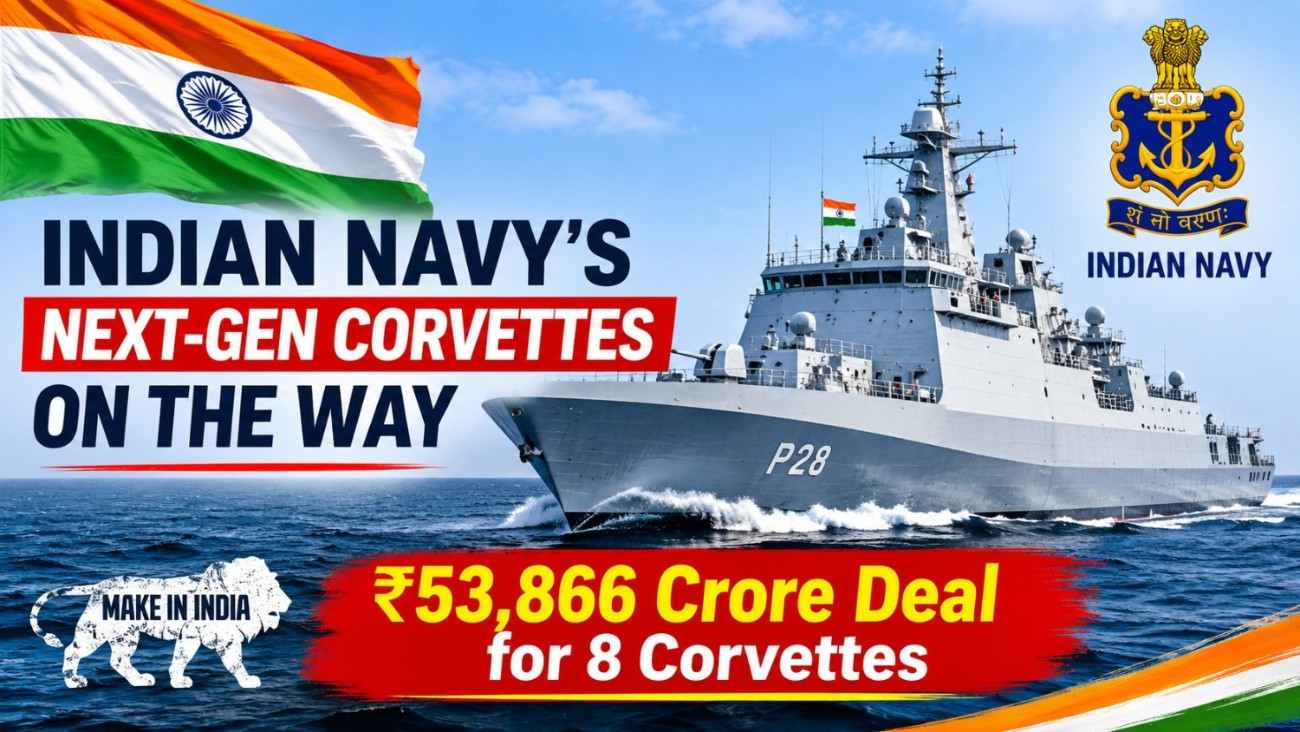
The programme forms part of a broader naval modernisation effort that also includes major combatant construction. The Ministry has recently signed contracts for eight Next Generation Corvettes worth ₹53,866.50 crore, while the Navy has continued to add and upgrade platforms for coastal and underwater missions.
For related coverage, read The Indian Hawk’s report on the Indian Navy’s shallow-water anti-submarine warfare capability.
Why the Delivery Matters
DSC A21 is not a frontline combatant, but its role supports the wider readiness of the fleet. Underwater inspections, salvage assistance and diving operations can contribute to the maintenance and safety of naval assets and maritime infrastructure.
The delivery also provides another example of an Indian shipbuilder executing a specialised naval requirement. The next indicators to watch are the handover of the remaining craft and their integration into the Navy’s operational support structure.
Bottom line: The delivery of DSC A21 strengthens the Indian Navy’s specialist underwater support fleet and advances the five-vessel Diving Support Craft programme. The Ministry of Defence has identified underwater inspection, salvage assistance and coastal deployment among the capabilities the craft will support.
With inputs from the Ministry of Defence and Press Information Bureau, Government of India (release dated 20 November 2026).
DSC A21: Key Specifications and Construction
Information released by the builder identifies DSC A21 as a 32.9-metre-long vessel with a beam of 13 metres. It can accommodate 18 personnel and has a stated endurance of up to 72 hours at economical speed. The catamaran configuration provides a broad platform and is intended to improve stability and usable deck area compared with a conventional single-hull arrangement of similar size.
The vessel was built by Titagarh Rail Systems Limited in Kolkata. The project also involved technical work by the Naval Science and Technological Laboratory (NSTL), Visakhapatnam, which conducted hydrodynamic analysis and model testing. The craft was designed to meet applicable Indian Register of Shipping requirements. These details matter because specialist diving vessels are not simply small transport boats: they need a stable working platform, suitable equipment arrangements and the ability to support personnel operating in and below the water.
Why the Catamaran Design Matters for Diving Operations
A diving support craft must provide a safe base for divers, equipment and support teams. A wider catamaran platform can offer greater deck area and stability, both useful when personnel are preparing equipment or conducting work alongside a vessel or underwater structure. The actual operating envelope will still depend on sea state, weather, mission equipment and the Navy’s safety procedures; the hull form alone does not mean that diving can take place in every condition.
Potential tasks include underwater inspection of harbour infrastructure and ship hulls, assistance during salvage operations, and support to other naval diving activities. Such work can help identify damage, inspect submerged structures and support maintenance. The craft is a specialist enabler: it does not replace larger salvage ships, hydrographic platforms or the Navy’s broader diving organisation.
Part of a Five-Craft Programme
DSC A21 is the second of five Diving Support Craft planned under the programme; the first vessel, DSC A20, was delivered in the previous year. The remaining deliveries will progressively add capacity, subject to the programme schedule and acceptance process. A fleet of five craft can provide more flexibility than relying on a single specialist vessel, particularly when support is needed at different naval facilities.
The delivery also illustrates the growing role of Indian private shipbuilders in specialist naval platforms. The significance should be measured through the vessels’ service performance, reliability and ability to meet operational requirements over time. For more on India’s maritime modernisation, see our coverage of the Indian Navy’s next-generation corvette programme.
Technical particulars are based on information released by the Ministry of Defence and Titagarh Rail Systems Limited. The vessel’s capabilities in a particular sea state or mission should not be inferred beyond the published specifications.