


Chief of Defence Staff (CDS) General Bipin Rawat on Tuesday stated that air defence became turning into increasingly more complicated withinside the large context of the proposed putting in of an air defence theatre command. He stated there had been massive use of air space, now no longer confined to simply plane and helicopters.
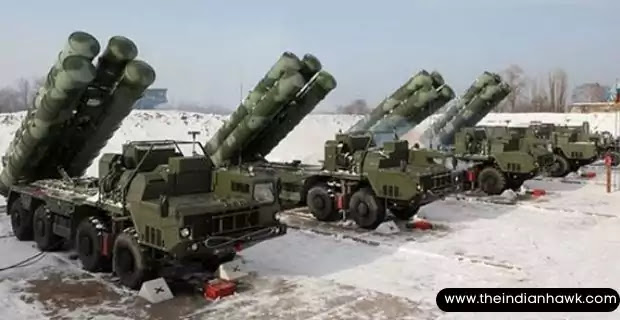
The ongoing stand-off with the People’s Liberation Army (PLA) on China in East Ladakh with the presence of S-400 squadrons of anti-plane structures at Hotan airbase in Xinjiang and Nyingchi airbase in Tibet, simply throughout Ladakh and Arunachal Pradesh respectively, has pressured the countrywide protection planners right into a reconsider approximately air defence and countermeasures. To upload to this more and more complicated situation are armed UAVs, swarm drones, missiles and rockets, which can be now a part of the stand-by myself weapon structures of the PLA.
While India is anticipated to get 5 squadrons of S-400 structures from Russia beginning December 2021, the efficiency of the anti-plane machine is such that it is able to goal a fighter four hundred kilometres away. This method that any plane that gathers top and stabilises for taking pictures down a goal turns into a goal of this weapon machine itself.
Perhaps, that is the purpose why the Indian Air Force (IAF) is counting on Hammer air-to-floor missile on Rafale fighter as a destiny weapon because the missile does now no longer want to be fired from a top; it simply hugs the mountain features, zooms to a top while drawing near the goal after which destroys it pinnacle down at a 90 diploma perspective with the ability of ultimate minute goal changes the usage of 3 one-of-a-kind steering structures aside from GPS. The IAF has already examined the Hammer missile and is already in its stock with the French even presenting joint improvement and manufacturing of this lengthy variety of powerful weapon.
With the air defence machine beneath undertaking from a technologically superior adversary withinside the north, the essential query this is being requested is ought to India put money into greater plane and helicopters or stand-by myself structures a good way to dictate destiny wars. While the IAF has been mandated to have forty-two plane squadrons, every 18 planes, the prevailing electricity is around 30 with the capability of six greater squadrons to be added.
With Rafale able to do greater than two times the variety of sorties than a Russian MiG and the S-400 machine a sport changer in air defence, does IAF want forty-two squadrons? Perhaps the solution lies in India elevating greater armed UAV, rocket and missile regiments which could suppress the troop and air defences of the adversary.
It is for those very motives that the Indian army is quickly drawing near the authorities for the acquisition of armed Predator drones from America on authorities to authorities basis. The US has additionally presented to educate Indian employees on cybersecurity because the defence structures are susceptible to cyberattacks from adversaries appearing on behalf of enemies of the Indian land.
It is pretty glaring that the conflict situations are converting with plane carriers, airbases and big army cantonments all under hazard from lengthy distance missiles. The destiny lies in lengthy variety radars which could select out up enemy posture deep inside its territory and a fast reaction missile that obliterates the capability hazard. India has to assume China now no longer Pakistan because the major adversary has changed.