
The Indian Army has developed and launched a secure messaging application, Secure Application for the Internet or SAI. The app supports end-to-end secure voice, text and video calling services for the Android platform and was launched to prevent “leaking” of any classified information to inimical intelligence agencies, the ministry of defence said in a statement.
Also Read: Pulwama Attack: The 23-Year-Old Woman Who Helped The Terrorists
“The model (of SAI) is similar to commercially available messaging applications like WhatsApp, Telegram, SAMVAD and GIMS and utilises end-to-end encryption messaging protocol. SAI scores over on security features with local in-house servers and coding, which can be tweaked as per requirements,” the ministry said in a release on Thursday.
Also Read: India roasts Imran Khan adviser’s claim of New Delhi’s outreach to Pak
The indigenous messaging application has been vetted by CERT-in empanelled auditor and Army Cyber Group and the process for filing Intellectual Property Rights (IPR) hosting the infrastructure on NIC and working on the iOS platform for the app is currently in progress, the ministry said. SAI will be used by the army to facilitate secure messaging within the service, it added.
Also Read: Stylish Facebook Bio 2023 – [COPY & PASTE]
SAI was developed by Colonel Sai Shankar, the commanding officer of a signals unit in Rajasthan, and then upgraded to military-grade standards. Defence minister Rajnath Singh, after reviewing the working of the app, complimented Col Shankar for developing the application with “skill and ingenuity”.
Also Read: Before foiling Chinese moves, India worked on plan for almost a month
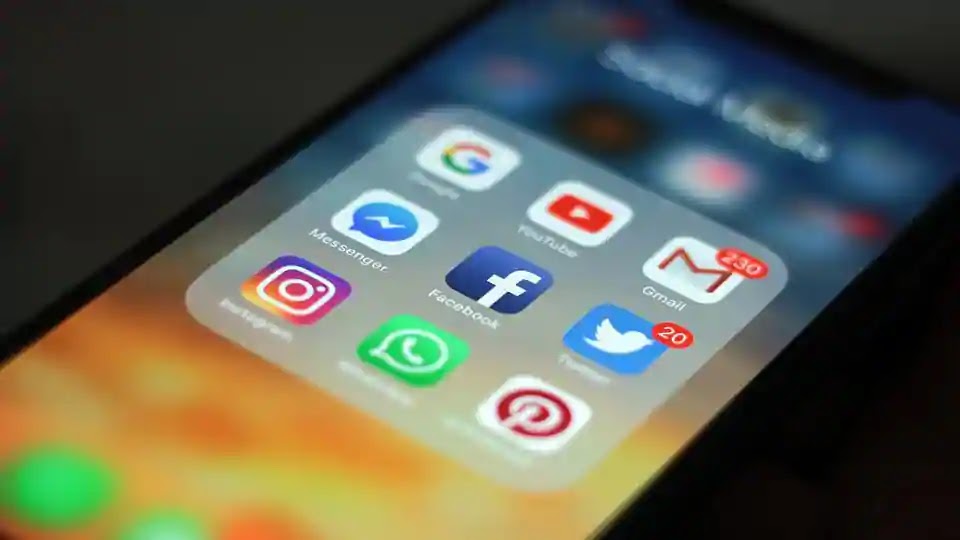
In July, after the Centre banned 59 apps of Chinese origin or with Chinese links from app stores in India, the defence ministry had instructed soldiers and officers of the Indian Army to delete 89 apps from their mobile devices, including news apps like Daily Hunt, dating apps like Tinder, social networking apps like Facebook, TikTok, video-conferencing apps like Zoom and gaming apps like PUBG. This was done to prevent “sensitive information” from being leaked.
Popular social media apps Facebook and Instagram have also been banned. Last year, the army had instructed its soldiers and officials to stay clear of using WhatsApp for official purposes. Officers who posted on sensitive posts were also asked to delete their Facebook accounts.
Also Read: Ordnance Factory Medak To Roll Out Mine-Proof BMP Tanks Soon
Carrying smartphones onto bases and dockyards has been prohibited. This came after the army observed Chinese and Pakistan’s online espionage agents attempting to obtain classified information and data.