
Why India’s Leased Akula-Class Nuclear Attack Submarine from Russia Will Arrive Only by 2028—and What It Means for Naval Power in the Indo-Pacific
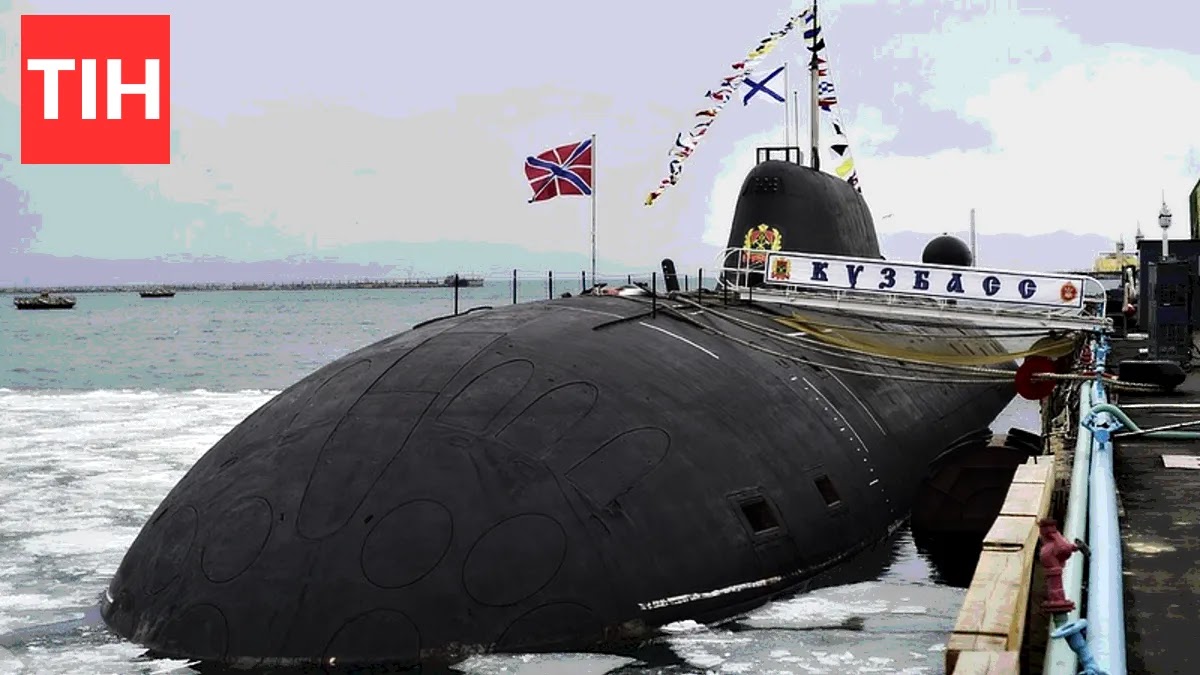
India is set to receive the leased Akula-class nuclear attack submarine from Russia by 2028, marking a significant update to its underwater warfare capabilities. Originally scheduled for delivery in 2025, the timeline has been pushed back due to a combination of logistical and technical challenges. This delay has important implications for India’s naval strategy in the increasingly contested Indo-Pacific region.
Why the Delay in Delivery?
The $3 billion deal signed in 2019 between India and Russia aimed to lease an advanced Akula-1 class nuclear-powered attack submarine, designated INS Chakra III, for a 10-year period. However, several factors have contributed to the delay:
- Impact of the Russia-Ukraine Conflict: The ongoing war has disrupted supply chains and delayed refurbishment efforts needed to prepare the submarine.
- Western Sanctions on Russia: Sanctions have limited Russia’s access to key components and technologies essential for modernizing the submarine.
- Technical and Logistical Challenges: Complexities in customizing the submarine to meet Indian Navy requirements have extended the timeline.
How Will INS Chakra III Enhance India’s Naval Power?
The Akula-class submarine is a nuclear-powered attack submarine (SSN) known for its stealth, speed, and endurance. Unlike conventional diesel-electric submarines, SSNs can operate submerged for long durations without surfacing, making them critical assets for underwater warfare and strategic deterrence.
Also read – Why China’s New ‘Supercarrier,’ the Fujian, Is a Massive Leap Forward
INS Chakra III will replace the INS Chakra II, which India leased from Russia between 2012 and 2022. The new submarine will provide:
- Advanced Underwater Warfare Capabilities: Enhanced ability to track and neutralize enemy vessels.
- Strategic Presence in the Indo-Pacific: Strengthening India’s maritime influence amid growing regional tensions.
- Technological Edge: Access to Russian nuclear submarine technology supports India’s naval modernization and indigenous development.
What Does This Mean for India’s Naval Strategy?
The delay creates a temporary gap in India’s nuclear submarine capabilities following the return of INS Chakra II in 2022. However, leasing the Akula-class submarine remains a vital part of India’s approach to maintaining underwater superiority while its indigenous submarine programs mature.
India’s strategy combines immediate capability enhancement through leasing with long-term self-reliance by developing domestic nuclear submarines under projects like Project 75I.

Looking Ahead
Despite the postponement, the arrival of the leased Akula-class nuclear attack submarine by 2028 will be a game-changer for India’s naval power. It will bolster deterrence, enhance underwater warfare capabilities, and solidify India’s position as a key maritime power in the Indo-Pacific.
For more insights on India’s naval modernization, check out our articles on Russia’s offer to modernize INS Talwar-Class guided Missile frigate and IAC vikrant India’s first Aircraft carrier.